
Although not a particularly visible process, maceration is one of the factors that makes all the difference in perfumery, as it directly influences the final balance of a fragrance. In an industry where every detail counts, understanding how a formula evolves before reaching the end consumer is key to guaranteeing quality, stability, and olfactory consistency.
Although often mentioned only superficially, maceration plays a fundamental role in perfume development . Therefore, at Mixer & Pack , we explain exactly what this process entails, why it’s important, and how it’s managed on an industrial scale to ensure consistent results.
What is perfume maceration?
Perfume maceration is the process by which the mixture of raw materials —essential oils, aromatic compounds, alcohol, and other ingredients— rests for a certain period to integrate homogeneously .
This process doesn’t involve adding new ingredients, but rather allowing the formula to develop its full potential. Without proper maceration, perfumes often end up unbalanced or with an inharmonious evolution.
Maceration vs maturation vs aging: quick differences
Although they are often used as synonyms, these terms do not mean the same thing:
- Maceration: initial resting phase after formulation. It allows the integration of the ingredients.
- Maturation: the later stage in which the perfume continues to refine itself and gain complexity.
- Aging: a longer process, less common in commercial perfumery, linked to more experimental or high-end proposals.
Distinguishing these concepts helps to understand at what stage of development a fragrance is.
Why maceration matters in perfume
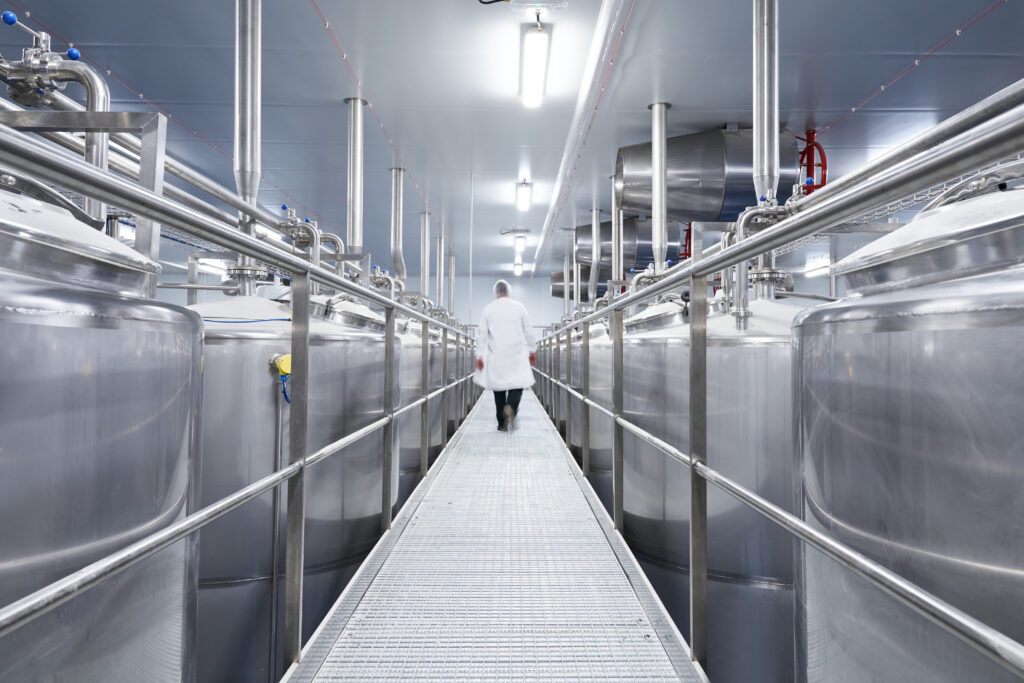
Maceration is key to guaranteeing the final quality of the product. Its impact is reflected in the following fundamental aspects:
First, it directly influences the olfactory profile . A newly formulated fragrance may present unbalanced notes; however, after maceration, it gains harmony and coherence.
Secondly, it affects the stability of the product , since thanks to this resting process, the risk of changes in aroma, color or transparency over time is reduced.
Third, it is essential for batch-to-batch reproducibility . In industrial production, where consistency is key, controlling this phase allows for maintaining homogeneous standards.
Finally, it improves the user experience . A well-macerated perfume evolves better on the skin and maintains its character for longer.
How long does the maceration of a perfume last (and what does it depend on)
Because it depends on multiple factors, a single or exact duration for maceration cannot be established. This process typically lasts from a few days to several weeks, with the aim of reaching the optimal point of balance.
The composition of the fragrances and the concentration of the perfume largely determine the duration of the maceration:
- Complex formulas or those with intense notes usually require more time to integrate.
- More concentrated compositions usually require a longer maceration period.
The quality of the raw materials and the process conditions (temperature, storage, etc.) are other factors that affect the duration of maceration.
How is maceration managed in industrial production?
In an industrial setting, maceration is a controlled process that forms part of the quality system. It’s not just about letting the perfume rest, but about doing so under conditions that ensure consistency and traceability.
Control conditions: time, temperature, light and storage
During maceration, it is essential to control a series of variables that determine the stability and evolution of the perfume:
- Time. It is defined according to the formula and is adjusted based on the results obtained in previous controls.
- The temperature must be kept stable to avoid alterations in the composition and ensure proper integration.
- Light. It is necessary to control it to prevent the degradation of certain compounds.
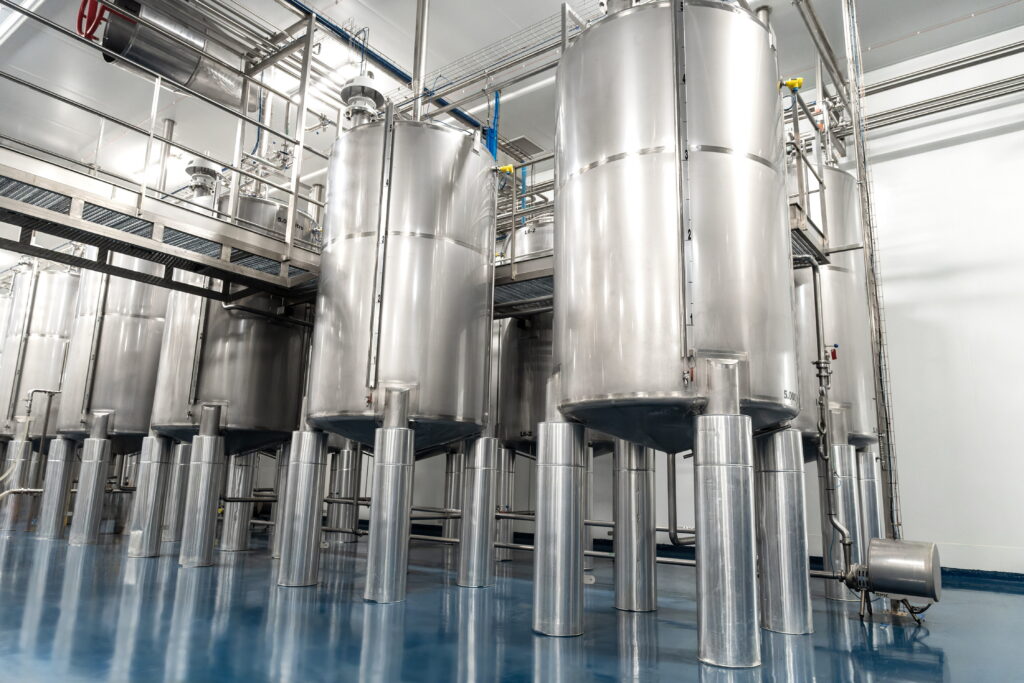
- Storage. Suitable containers must be used that do not interfere with the formula and guarantee its preservation. For this purpose, spaces with low exposure conditions or opaque containers are selected.
Batch traceability and quality control points
Traceability allows you to know the evolution of the perfumes at all times, since each batch is identified and tracked individually.
To assess the state of the product during maceration, quality control points are established that allow deviations to be detected and decisions to be made before moving forward in the process.
The combination of traceability and control is key to ensuring consistent results.
What controls are carried out during and after maceration?
The maceration process ends not only due to time, but because the perfumes reach the appropriate conditions before continuing with the process.
What is evaluated: olfactory profile, color, turbidity and stability
One of the main controls is the olfactory profile , which verifies that the fragrances conform to the defined standards.
Color is also checked to ensure that variations are within the established limits.
Turbidity is another important factor, as the product must have a clean and homogeneous appearance.
Finally, stability is analyzed , with the aim of verifying that the perfumes maintain their properties without degrading.
Acceptance criteria: when a batch is ready for packaging
A batch is ready for packaging when it meets all established quality criteria .
This means that maceration has been completed and the olfactory, physical, and stability controls have been passed. If any parameter is not suitable, the process must be adjusted before proceeding.
This approach ensures that the final product maintains the quality and experience intended from its design.
Maceration is , ultimately, an essential process in the creation of a perfume . Managing it correctly allows a good formula to be transformed into a balanced, stable, and coherent fragrance .
At Mixer & Pack, we support brands through every stage of perfume development and production, ensuring that crucial processes like maceration are managed with precision and control. Contact our team and discover how we can help you develop fragrances with character and consistency.


