
The perfumery market in the Middle East is one of the most demanding, sophisticated and luxurious in the world. With a tradition of hundreds of years behind them, Arabic perfumes are among the most prestigious and recognized scents worldwide.
Therefore, adapting a line of perfumes to the tastes of Arab consumers requires dedication, experience and quality in the production of the product, since it is an audience with very select preferences and tastes. It is not simply a matter of modifying the packaging or translating the labels, succeeding with a perfume line in the Middle East requires knowing the context and cultural tradition of that area, as well as its specific regulations, the preferences of each type of public…
In this article, at Mixer & Pack, as perfume manufacturers in the Middle East and pioneers in obtaining Halal certification, we tell you the keys to success in this market.
The first step for perfume manufacturing: knowing the market we are going to target
Luxury, tradition, exclusive ingredients and layering
The Middle East is a region where perfumery is an essential part of daily life and cultural identity. Perfumes are not only an aesthetic complement, but also a symbol of status, hospitality and spirituality. The Arab consumer values the exclusivity, intensity and longevity of fragrances, as well as luxurious presentation, respect for traditions and the elaboration with quality ingredients.
In recent years, the market has undergone a remarkable evolution and audiences around the world have chosen to start using Arabic perfumes in their day to day life for their excellent quality and originality. In addition to classic scents such as oud, amber and spices, the Middle East has begun to demand floral and somewhat fresher spices, as well as fragrances that can be used unisex.
The latest trend is to use different perfumes to create different and unique olfactory layers, so it is common for each person to have a small collection of scents to mix with each other. This practice is known as layering and is one of the best ways to express your personality through your smell.
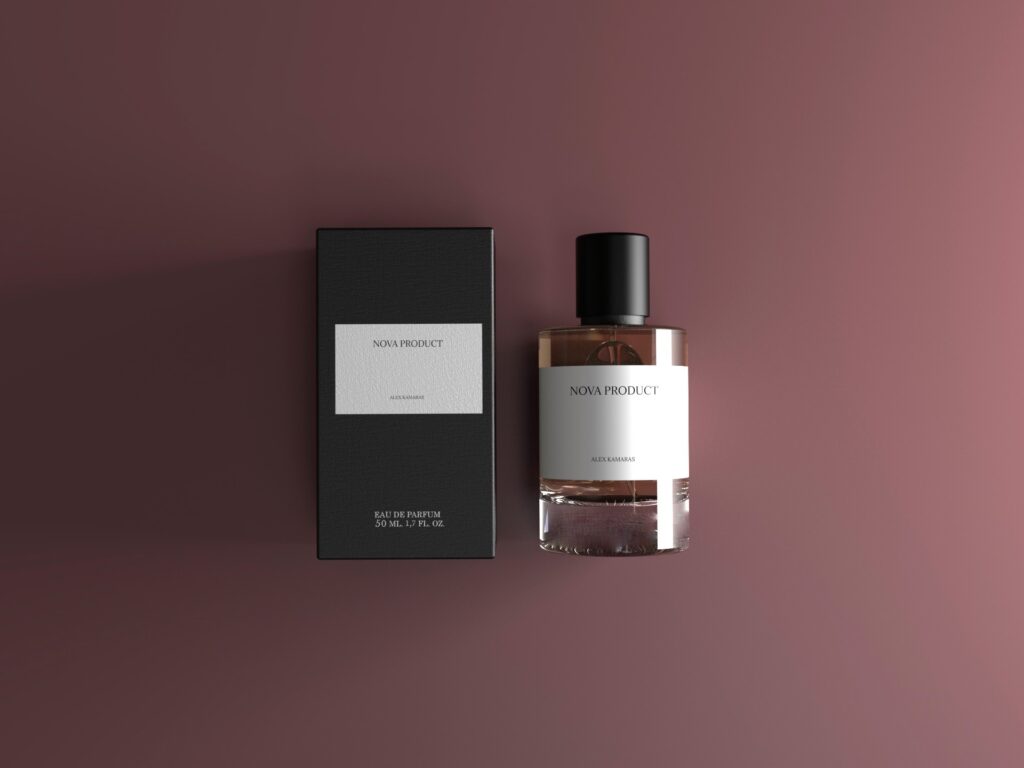
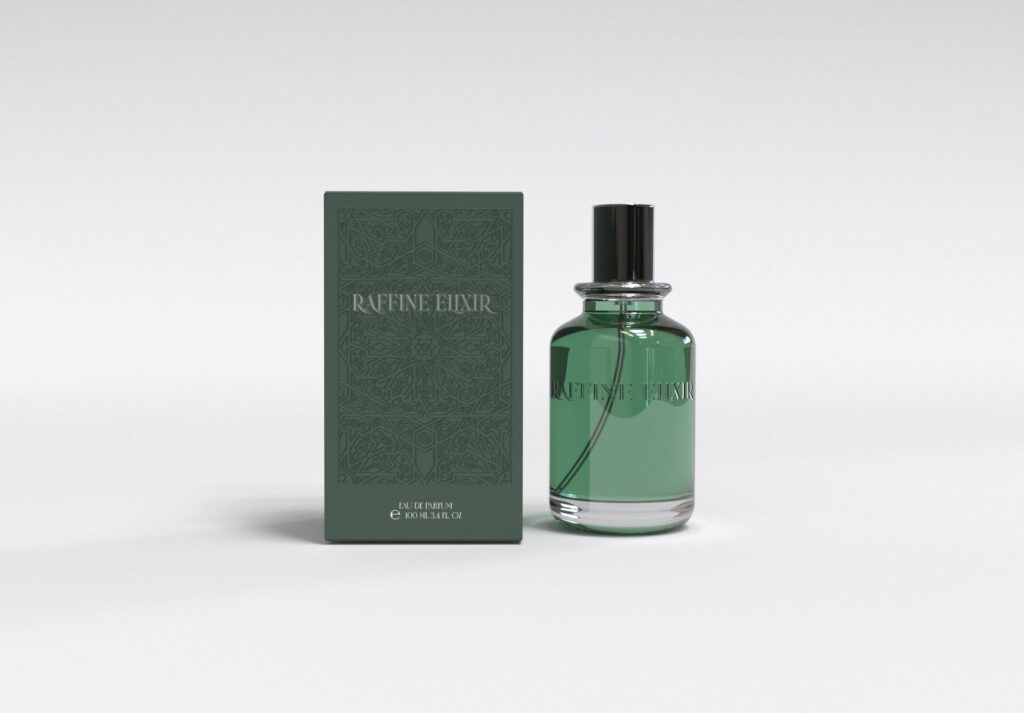
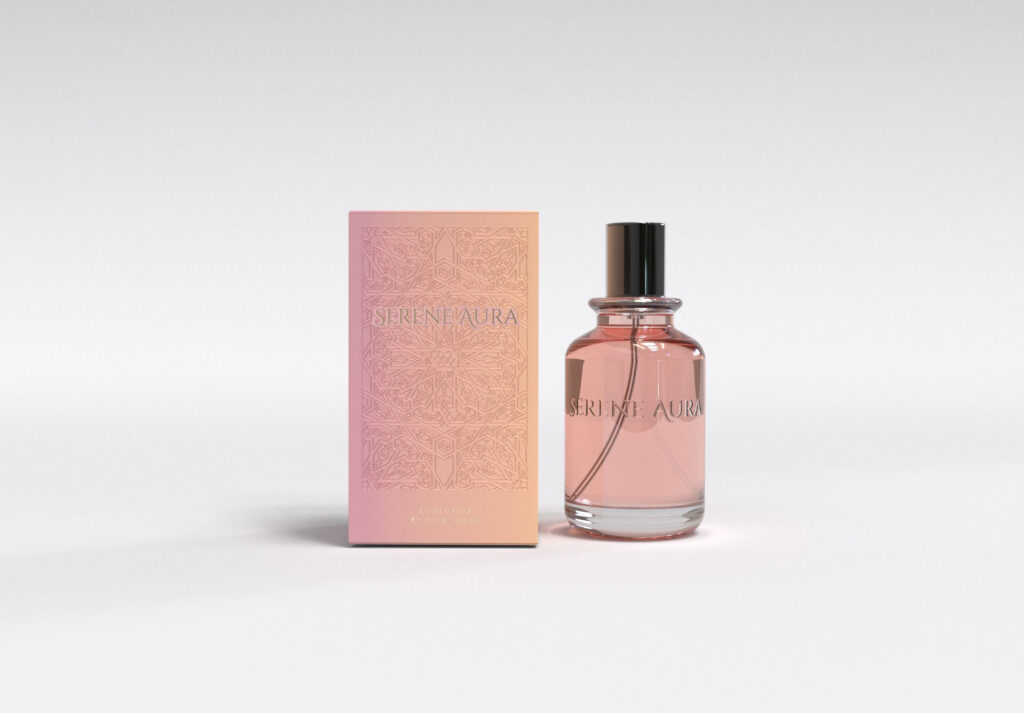
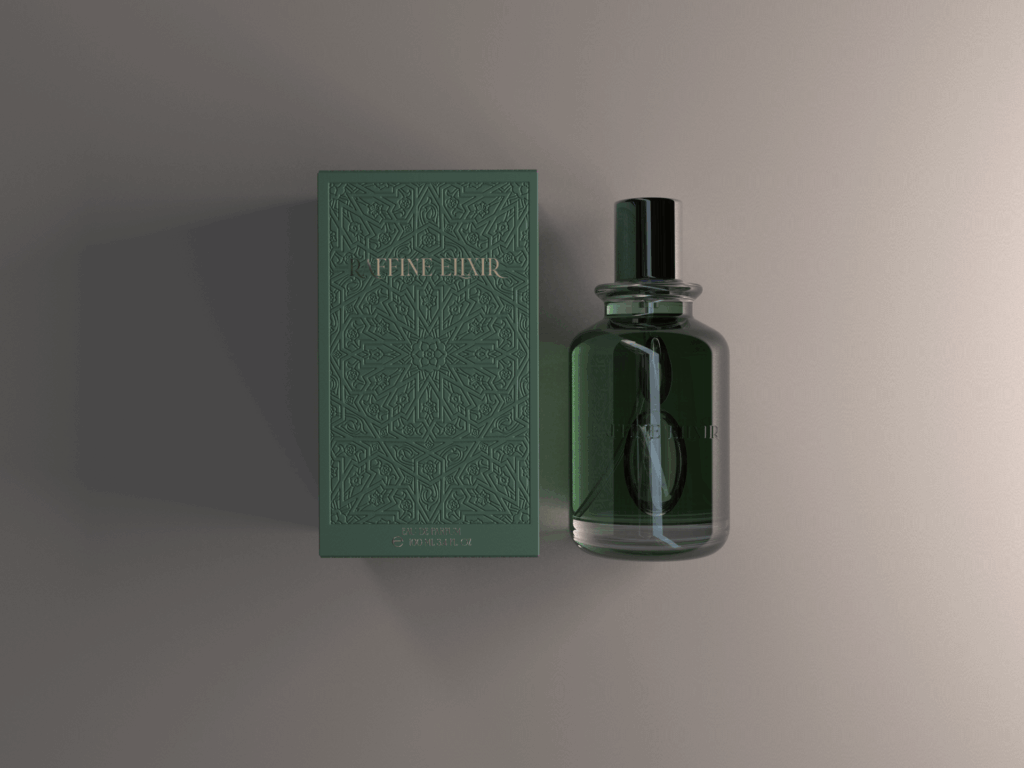
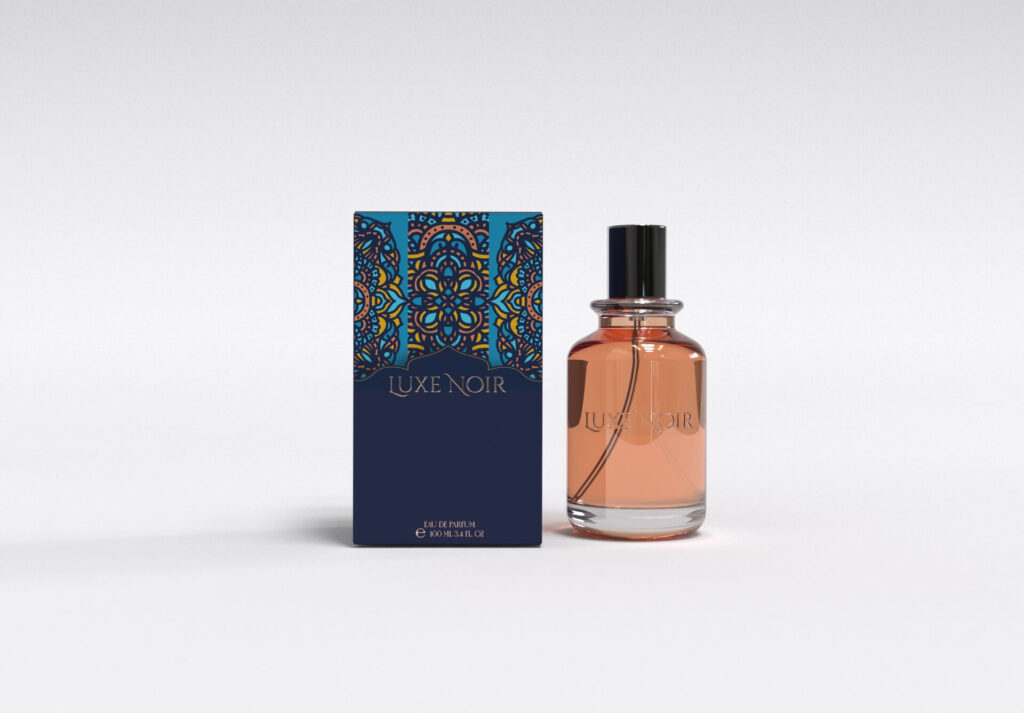
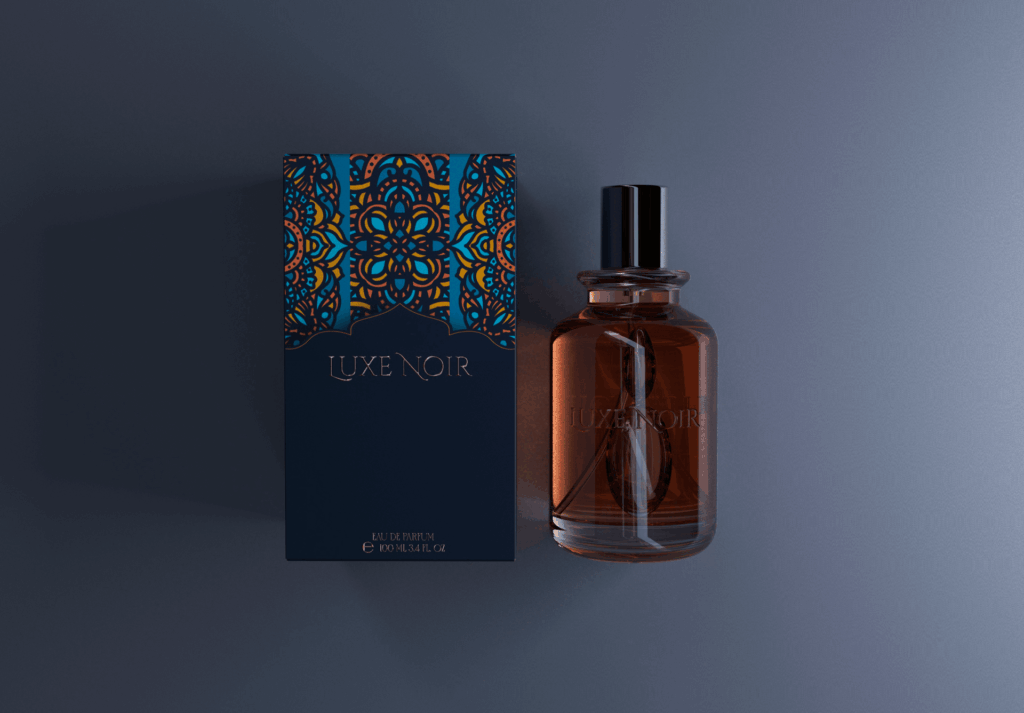
Olfactory cues: what are Middle Eastern consumers looking for?
At Mixer & Pack, we’ve taken an in-depth look at consumer preferences in the Middle East to understand what they look for in a fragrance when they opt for a scent.
- Intense and long-lasting aromas: Traditionally in the Middle East, essential oils have been used when making perfumes as they help create aromas with a higher permanence and fixed on the skin for longer. This, that the fragrance is long-lasting all day, is something that consumers value over lighter options.
- Oriental notes: aromas such as rose, jasmine and amber, as well as spicy touches of pepper, ginger, cardamom or cinnamon are essences that characterize Arab countries. However, the great protagonist is oud, an unmistakable ingredient associated with luxury with woody, warm and smoky notes.
- Unisex and customizable fragrances: the Arab consumer does not distinguish so much between men’s and women’s perfumes; the trend is towards genderless or unisex fragrances that can be combined with each other.
- Natural and sustainable flavours: within the Arab market there is a growing interest in ingredients of natural origin and more ecological formulas, aligned with the search for authenticity and sustainability.
- Gourmand perfumes: Gourmand scents stand out greatly with this trend, incorporating aromas with sweet notes, reminiscent of some foods.
Packaging and presentation that triumph in the Middle East: luxury, functionality and adaptation to the climate.
The packaging of a perfume destined for the Middle East must be much more than attractive: it must convey luxury, sophistication and, at the same time, be functional and preserve the perfumes in good condition, especially when they are going to be exported to warmer climates than where they have been manufactured.
The bottles usually incorporate golden details, ornaments, careful and engraved calligraphy in many cases as well as traditional motifs related to culture and art. This includes ornate caps that should fit perfectly and be aligned with the design of the bottle, ensuring the durability of the perfume. If necessary, materials that withstand and protect from heat and humidity should be used to avoid problems during transport.
Legislation and certification when manufacturing a perfume: the value of the Halal guarantee
One of the biggest challenges for perfume manufacturing for the Middle East is regulatory compliance, especially when it comes to Halal certification. At Mixer & Pack we are pioneers in having obtained this certification in Spain, we tell you what it implies:
Mixer & Pack: pioneers in obtaining Halal certification
At Mixer & Pack we have been the first Spanish manufacturer of perfumery for third parties to obtain the Halal certificate, which allows it to access markets where this certification is mandatory, such as Saudi Arabia, Egypt, Indonesia and Malaysia. This achievement guarantees the complete traceability of the production chain, not only in ingredients, but also in hygiene, handling, storage and distribution, and we are therefore a reference in perfume manufacturing for the Middle East.
What does Halal certification in perfumery entail?
Halal certification guarantees that the product and its entire manufacturing process comply with the precepts of Islamic law:
- Use only permitted ingredients: the use of ethyl alcohol is prohibited, as are non-permitted animal derivatives such as pork.
- Segregated production, storage and transport processes: any cross-contamination with non-Halal products must be avoided.
- Traceability and audits: from the selection of suppliers to the final packaging, everything must be verifiable and subjected to periodic controls by entities that can certify that the process complies with Halal standards.
- Specific labelling: all Halal products must be correctly labelled and notified to the corresponding authorities in each country, complying with regulations such as GSO 1943/2016 and GSO 2528/2016.
Our proposal at Mixer & Pack to adapt to the manufacture of perfumes for the Middle East
Success in manufacturing perfumes for the Middle East does not only depend on complying with standards, but it is necessary to anticipate market trends and needs in this place. At Mixer & Pack we have extensive knowledge of Middle Eastern olfactory preferences, as well as tastes related to fragrance design and packaging. In addition to complying with regulations, we are always committed to innovation and sustainability when making our perfumes.
Our experience and industrial capacity make us the ally for all those brands that wish to expand their business to the Arab market with a partner who knows what their needs will be. Do you want to make your brand gain presence in the Middle East? Find out how Mixer & Pack can help you take your fragrances anywhere in the world, you can contact us and we will start working to make your Arab dream come true.


